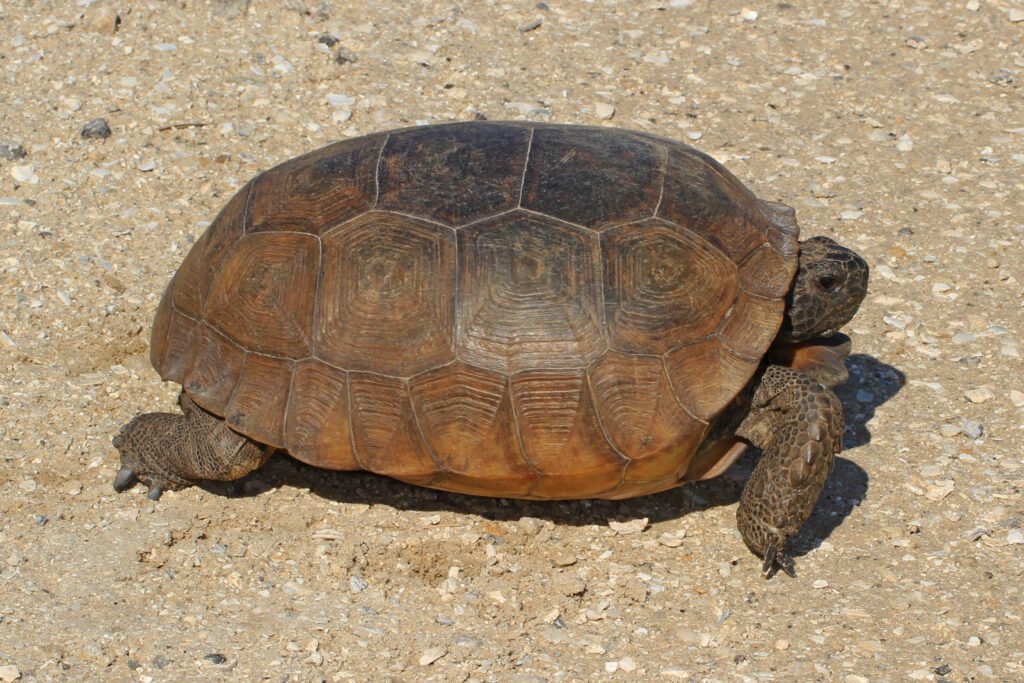
What is a Gopher Turtle? Exploring the Fascinating World of Florida’s Burrowing Wonder
In the sun-kissed landscapes of Florida, beneath the leafy canopies and sprawling grasslands, resides a creature whose slow and steady pace belies its remarkable story—the gopher turtle. With its sturdy shell and wise demeanor, this unique reptile captures the hearts of both nature enthusiasts and casual observers alike. But what is a gopher turtle, exactly? More than just a resident of the sandy soil, the gopher turtle is an ecological hero, playing a crucial role in its habitat while offering a glimpse into the delicate balance of life that thrives in our backyards. Join us as we dig deeper into the world of gopher turtles, unraveling their quirky habits, fascinating biology, and the challenges they face in our ever-changing environment.
Table of Contents
- Understanding the Gopher Tortoise: Natures Ground-Dwelling Marvels
- The Unique Habitat of the Gopher Tortoise and Its Ecological Impact
- Gopher Tortoise Diet: What Makes This Reptile a Herbivore Delight
- Conservation Challenges: Protecting the Gopher Tortoise for Future Generations
- How to Create a Gopher Tortoise-Friendly Environment in Your Backyard
- Connecting with Gopher Tortoises: Community Engagement and Education Opportunities
- Q&A
- In Conclusion
Understanding the Gopher Tortoise: Natures Ground-Dwelling Marvels
The gopher turtle, a captivating creature native to the sandy soils of the southeastern United States, stands out as a remarkable example of nature’s adaptability. With their stout, elongated shells and distinctive yellowish-brown skin, these turtles thrive in an array of habitats, particularly in dry, open spaces like pinelands and scrub regions. What is a gopher turtle? It’s not just a turtle; it’s an essential player in its ecosystem. By digging deep burrows, the gopher turtle creates safe havens not only for itself but also for over 350 other species, earning it the title of a keystone species. These burrows can be as deep as 10 feet and provide shelter against predators, harsh weather, and extreme temperatures, showcasing the gopher turtle’s unique adaptations for survival.
In terms of diet, the gopher turtle primarily feasts on a variety of plant materials, including grasses, fruits, and flowers, which it finds within its extensive range. This diet contributes to the health of the ecosystem as it helps to disperse seeds and control plant growth. The status of the gopher turtle is increasingly at risk due to habitat loss and environmental pressures. What is a gopher turtle? It’s also a symbol of conservation efforts, highlighting the need to protect both this fascinating reptile and its habitats. The efforts to understand and conserve the gopher turtle are vital, making educational resources essential. Explore more about the gopher turtle and its conservation at U.S. Fish and Wildlife Service and get involved in protecting this ground-dwelling marvel.
| Gopher Turtle Facts | Description |
|---|---|
| Average Lifespan | 40-60 years |
| Size | 10-15 inches in length |
| Habitat | Dry pine forests, sandy soils |
| Conservation Status | Threatened |
Understanding the intricacies of the gopher turtle’s life allows us to appreciate not only its role in the natural world but also the urgency in preserving its existence. By delving into the question, what is a gopher turtle, we begin unraveling the threads that connect this creature to broader ecological themes. The survival of the gopher turtle is intertwined with our actions, reminding us that together we can make a difference. For a deeper dive into the world of gopher turtles, check out this insightful article from National Fish and Wildlife Foundation.
The Unique Habitat of the Gopher Tortoise and Its Ecological Impact
The gopher tortoise, widely acknowledged for its remarkable role in the ecosystems of the southeastern United States, creates a unique habitat through its burrowing behavior. This tortoise digs extensive burrows, which can extend over 30 feet deep. These burrows provide shelter not only for the gopher tortoise but also for many other species, thereby contributing significantly to the area’s biodiversity. Key aspects of what is a gopher turtle include its ability to:
- Provide shelter to over 350 species, including rabbits and various reptiles.
- Influence soil composition, promoting plant growth.
- Conserve moisture in arid areas, benefiting surrounding flora.
Understanding what is a gopher turtle extends beyond its physical characteristics; it underscores the species’ role in maintaining healthy ecosystems. The burrows formed by this tortoise create a microhabitat that stabilizes the environment and aids in nutrient cycling. The intricate relationship between the gopher tortoise and its habitat demonstrates the significant ecological impact it has. For those looking to delve deeper, the U.S. Fish and Wildlife Service provides comprehensive information about conservation efforts. Additionally, the National Fish and Wildlife Foundation offers insights into ongoing projects aimed at preserving this critical species and their ecological contributions.
Gopher Tortoise Diet: What Makes This Reptile a Herbivore Delight
The gopher turtle, a fascinating creature native primarily to the southeastern United States, is a quintessential herbivore. This remarkable reptile thrives on a diet that is rich in varied vegetation, which comprises a significant portion of its sustenance. The gopher turtle typically enjoys a range of edible delights such as:
- Grasses
- Herbs
- Legumes
- Flowering plants
- Roots and tubers
What is a gopher turtle known for? Apart from its sturdy, dome-shaped shell and slow-paced lifestyle, this tortoise plays a vital role in its ecosystem by aiding in seed dispersal and nutrient cycling. Often found in dry, sandy habitats like longleaf pine forests, the gopher turtle not only relies on its plant-based diet for energy but also promotes the health of its environment. Learn more about the ecological impact of this amazing reptile at U.S. Fish & Wildlife Service and National Wildlife Federation.
Conservation Challenges: Protecting the Gopher Tortoise for Future Generations
The gopher turtle, a unique land-dwelling species, is a crucial part of southeastern ecosystems. As a keystone species, it plays a vital role in creating habitats for numerous other species, promoting biodiversity. Unfortunately, the gopher turtle faces numerous conservation challenges that threaten its existence. Habitat loss due to urban development and agriculture practices is one of the main culprits. Additionally, these turtles are often victims of road mortality and predators, further endangering their populations. Protecting the gopher turtle is essential for maintaining the ecological balance in its native habitats.
To ensure the survival of the gopher turtle, it is important to raise awareness and support conservation initiatives. Individuals can help by:
- Advocating for protected habitats
- Participating in local wildlife monitoring programs
- Educating others about the importance of the gopher turtle
In collaborative efforts, organizations and communities are coming together to create conservation programs specifically aimed at the gopher turtle. These efforts include habitat restoration, research on population dynamics, and public stewardship programs that highlight the significance of protecting this remarkable species. For more information on gopher turtles and their conservation status, visit U.S. Fish and Wildlife Service and Conserve Wildlife Foundation of New Jersey. Understanding “What is a gopher turtle” is the first step toward fostering a sustainable future for these incredible creatures.
How to Create a Gopher Tortoise-Friendly Environment in Your Backyard
Creating a haven for gopher turtles in your backyard begins with understanding their natural habitat. These unique reptiles thrive in environments rich in sandy soil, where they can dig their famous burrows. To replicate such conditions, consider incorporating a variety of native plants that provide food and shelter. Ideal choices include:
- Wiregrass (Aristida stricta)
- Scrub oaks (Quercus spp.)
- Longleaf pine (Pinus palustris)
- Native wildflowers for additional food sources
Moreover, limiting pesticide use is essential for keeping the ecosystem healthy for gopher turtles. Their diet consists of grasses, herbs, and fruits, so providing a pesticide-free environment helps ensure their well-being. To attract gopher turtles, create open, sunny areas in your yard. You can enhance their habitat even further by setting up a simple pond or water source, since these turtles need hydration but are not often found in aquatic environments. Learn more about their habitat needs by visiting the U.S. Fish and Wildlife Service and discover how to protect these amazing creatures.
| Feature | Gopher Turtle Needs |
|---|---|
| Soil Type | Sandy, well-draining |
| Sun Exposure | Full sun |
| Food Sources | Grasses & native plants |
| Water Source | Shallow pond or basin |
Lastly, providing a safe and protected area for gopher turtles ensures their survival in your backyard. Avoid creating barriers that might prevent them from accessing their burrows or wandering freely. Always remember that gopher turtles are a keystone species, meaning they play an essential role in their habitat, supporting a multitude of other wildlife. For further insights into conservation efforts, check out Conservation International and their work in protecting various species, including the beloved gopher turtles.
Connecting with Gopher Tortoises: Community Engagement and Education Opportunities
Understanding what a gopher turtle is extends beyond simple definitions; it invites community participation and awareness of this unique species. Known scientifically as *Gopherus polyphemus*, the gopher turtle is a keystone species that plays a significant role in its ecosystem. These fascinating reptiles are primarily found in the southeastern United States and are easily recognized by their sturdy, high-domed shells and large front legs adapted for digging. In addition to their distinctive appearance, what is a gopher turtle is also characterized by its burrowing habits, creating extensive tunnel systems that not only provide refuge for the turtles themselves but also for various other species. By engaging with local conservation initiatives, community members can learn more about what a gopher turtle needs for survival and the importance of protecting their habitats.
There are numerous opportunities for community engagement focused on what is a gopher turtle, ranging from educational workshops to citizen science projects. These events often feature interactive learning experiences, where participants can discover more about turtle ecosystems and conservation efforts. Educational programs can include activities such as:
- Field Trips: Visit protected gopher tortoise habitats to observe them in their natural environment.
- Workshops: Help with habitat restoration and learn practical skills, such as species monitoring.
- Community Events: Participate in awareness campaigns, making presentations that educate the public about the challenges facing gopher turtles.
Additionally, resources are available online to further explore what is a gopher turtle, such as the U.S. Fish and Wildlife Service website and the National Wildlife Federation page, which provide valuable information on preservation efforts. Understanding what is a gopher turtle encompasses not only appreciating their ecological significance but also recognizing our roles as caretakers of the environment. By getting involved, we can help ensure the survival of this remarkable species for generations to come.
Q&A
Q&A: All About Gopher Turtles!
Q: What is a gopher turtle?
A: The gopher tortoise (Gopherus polyphemus) isn’t just your average turtle; it’s a burrowing superhero of the sandy soils in the southeastern United States! Known for its sturdy shell and interesting lifestyle, these turtles can live up to 60 years and often become a beloved part of the local ecosystem.
Q: Where can you find gopher turtles?
A: Gopher turtles are like the sunbathers of the turtle world – they love dry, sandy habitats! You’ll usually find them lounging in the open pine and scrub oak forests, as well as coastal dunes, primarily in states like Florida, Georgia, Alabama, and Mississippi.
Q: What makes gopher turtles different from other turtles?
A: Gopher turtles are pretty special! Unlike most turtles that spend their time in water, these guys are land-loving and experts at digging. Their powerful legs and shovel-like front feet allow them to create burrows up to 40 feet long! These burrows not only serve as their cozy home but also provide shelter for other critters like gopher frogs and rabbits.
Q: What do gopher turtles eat?
A: Gopher turtles are herbivores with quite the veggie palette! They feast on a mix of grasses, fruits, and flowers. But they’re particularly fond of their namesake – gopher grass! A diet rich in plant materials keeps them healthy and helps maintain their energy for those adventurous burrowing escapades.
Q: Are gopher turtles endangered?
A: Unfortunately, yes. Gopher turtles are considered a threatened species due to habitat loss from urban development, agriculture, and wildfires. Conservation efforts are underway to protect their habitats and ensure that these charming turtles continue to thrive.
Q: How can I help gopher turtles?
A: You can be a gopher turtle hero! Support habitat conservation by getting involved in local conservation groups, spreading awareness, and even adopting responsible land use practices. If you ever encounter a gopher turtle crossing the road, always remember to help it safely to the other side—but never pick it up by its shell, as it can cause them stress!
Q: What’s one interesting fact about gopher turtles?
A: Here’s a fun tidbit: gopher turtles are known to be slow and steady, both in movement and in growth! It can take years for them to reach their full size, which just goes to show that good things come to those who wait—and dig!
Q: Can I have a gopher turtle as a pet?
A: While they may seem cute and intriguing, gopher turtles are wild animals and not suitable for domestication. They have specific habitat needs, require a large amount of space, and are best left in their natural environment. Instead, consider adopting a turtle species that is more compatible with domestication!
With their sturdy build and charming personality, gopher turtles remind us of the importance of preserving our natural surroundings. So, the next time you see one, tip your hat to these amazing creatures and appreciate the role they play in our ecosystem!
In Conclusion
understanding what a gopher turtle entails not only enriches our appreciation for these remarkable creatures but also underscores the importance of conserving their habitat. As gentle stewards of their environment, gopher turtles remind us of the beauty of biodiversity and the interconnectedness of life. By learning more about them, we open the door to engaging with nature in a meaningful way. So, whether you spot one plodding through the sandy soil or basking in the sun, take a moment to appreciate their unique charm and the vital role they play in their ecosystem. Remember, a little knowledge goes a long way in nurturing our planet’s wonderful wildlife. Until next time, keep exploring and cherishing the natural world around you!